
Kennedy Half Dollar:
The Kennedy half dollar is one of the best-known coins in United States history. It was first released in 1964, only months after the death of President John F. Kennedy. The coin was created as a tribute to the former president and quickly became an important part of American coin history.
Today, many people collect Kennedy half dollars because of their history, silver content in some older issues, special designs, mint marks, and condition. Some coins are worth only their face value, while others can be worth much more to collectors.
If you have a Kennedy half dollar, you may want to know when it was made, what metal it contains, where it was produced, and how much it could be worth.
This guide explains the Kennedy half dollar in simple English and covers its history, design, silver content, value, rare dates, collecting tips, and frequently asked questions.
What Is a Kennedy Half Dollar?
The Kennedy half dollar is a 50-cent United States coin featuring President John F. Kennedy on the front.
The coin was introduced in 1964, shortly after Kennedy was assassinated on November 22, 1963. The United States Mint moved quickly to create a coin honoring him.
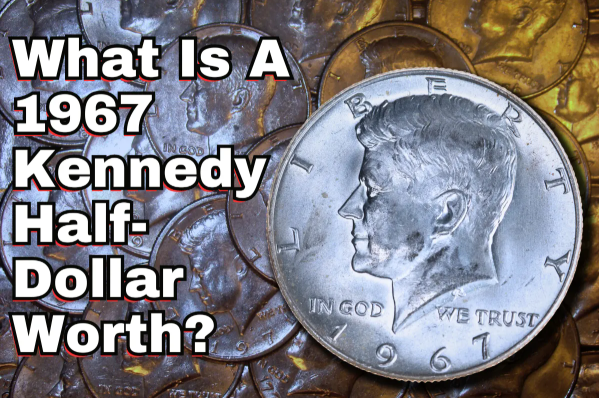
The obverse, or front, shows a portrait of Kennedy. The reverse features the Presidential Seal, including an eagle, shield, arrows, and other symbols.
The coin has a face value of 50 cents, but some examples are worth more because of their age, metal content, condition, rarity, or collector demand.
History of the Kennedy Half Dollar
The story of the Kennedy half dollar began after President Kennedy’s death.
Members of Congress and officials at the US Mint wanted to create a coin that would honor the late president. The half dollar was selected for the new design.
Chief Engraver Gilroy Roberts created the portrait of Kennedy for the obverse. Frank Gasparro designed the reverse using the Presidential Seal.
The new coin was approved and produced very quickly.
The first Kennedy half dollars were dated 1964. They were made of 90% silver and 10% copper.
The public showed enormous interest in the new coin. Many people saved the coins as keepsakes instead of spending them.
Because so many people wanted Kennedy half dollars, the United States Mint produced large numbers of them.
Kennedy Half Dollar Design
The design of the Kennedy half dollar is one of the reasons the coin remains popular.
Obverse Design
The front of the coin shows a portrait of John F. Kennedy facing left.
The words LIBERTY and IN GOD WE TRUST appear on the obverse, along with the date.
The portrait was based on Kennedy’s official presidential portrait.
Gilroy Roberts, who was Chief Engraver of the United States Mint, created the design.
Reverse Design
The reverse features the Presidential Seal.
An eagle appears in the center with a shield on its chest. The eagle holds arrows in one claw and an olive branch in the other.
The design also includes stars Kennedy half dollar and other details representing the United States.
The words UNITED STATES OF AMERICA and HALF DOLLAR appear around the design.
When Was the Kennedy Half Dollar First Made?
The first Kennedy half dollar was produced in 1964.
The 1964 issue is especially important to collectors because it was the only regular Kennedy half dollar year made from 90% silver.
Later Kennedy half dollars continued to contain silver for several years, but the silver percentage changed.
Understanding the production dates is important when determining a coin’s metal content and potential value.
Kennedy Half Dollar Silver Content
Silver is one of the biggest reasons collectors pay attention to older Kennedy half dollars.
The 1964 Kennedy half dollar contains 90% silver.
From 1965 through 1970, Kennedy half dollars were made with a lower silver content. These coins contain 40% silver.
Beginning in 1971, regular Kennedy half dollars were made primarily from copper and nickel rather than silver.
This means the date of a Kennedy half dollar can provide an important clue about its composition.
However, there are special collector versions that may contain silver even when their dates fall outside the regular circulation series.
For that reason, collectors should check the exact issue before deciding what a coin is worth.
Kennedy Half Dollar Mint Marks
Mint marks show where a coin was produced.
Kennedy half dollars have been made at different United States Mint facilities over the years.
Common mint marks associated with Kennedy half dollars include:
- D for Denver
- S for San Francisco
Some older coins may have no mint mark because of the way and location in which they were produced.
The position of the mint mark has also changed during the history of the series.
The mint mark can be important when identifying a particular Kennedy half dollar because some dates and mint combinations are more desirable than others.
What Is a Kennedy Half Dollar Worth?
The value of a Kennedy half dollar depends on several factors.
A coin may be worth:
- Its 50-cent face value
- More than face value because of silver
- A premium because of its condition
- More because of a special finish
- More because of a scarce variety
- Significantly more if it is a rare and high-grade example
Not every old Kennedy half dollar is rare.
This is an important point for new collectors. Age alone does not make a coin valuable.
A common Kennedy half dollar from a particular year can be worth only a modest amount, while a rare variety or exceptionally well-preserved example can be much more valuable.
Factors That Affect Kennedy Half Dollar Value
Date
The year on the coin is one of the first things collectors check.
Certain years have different metal compositions or production levels.
The date should always be recorded when researching a coin.
Mint Mark
The mint mark identifies the mint facility and can help determine how common or scarce a particular issue is.
Two Kennedy half dollars from the same year can have different values if they were produced at different mints.
Condition
Condition is extremely important.
A coin that has been heavily circulated may show scratches, worn details, and other signs of use.
A coin that has remained in excellent condition may have sharper details and better surfaces.
Collectors often use grading systems to describe a coin’s condition.
Silver Content
Coins containing silver have an additional source of value beyond their face value.
The market price of silver can change, so the precious-metal value of a silver Kennedy half dollar can change as well.
Special Finish
Some Kennedy half dollars were produced for collectors rather than normal circulation.
Proof coins, special mint sets, and other collector issues can have different values from ordinary circulation coins.
Errors and Varieties
A coin with a genuine mint error can attract collector attention.
Examples of errors can include Kennedy half dollar unusual strikes, missing design elements, doubled features, or other production mistakes.
However, not every unusual-looking coin is a valuable error. Damage that happens after a coin leaves the Mint is generally not considered a mint error.
What Makes a Kennedy Half Dollar Rare?
Rarity is an important part of coin collecting.
A Kennedy half dollar can be considered more desirable when relatively few examples are available in a particular condition or when a specific variety is difficult to find.
Some coins may have a low mintage but still be easy to find because many were saved by collectors.
ALSO READ;https://softswebz.com/dollar-general-ad/
On the other hand, a coin with a large mintage can become more interesting if high-quality examples are difficult to find.
Therefore, mintage numbers alone do Kennedy half dollar not always tell the entire story.
Collectors consider availability, condition, demand, varieties, and other factors.
1964 Kennedy Half Dollar
The 1964 Kennedy half dollar is one of the most popular coins in the series.
Its importance comes from both its history and its silver content.
The coin was released shortly after Kennedy’s death and was made from 90% silver.
Many Americans saved the coin as a memorial. As a result, the 1964 issue became an important collectible.
When evaluating a 1964 Kennedy half dollar, check its condition and mint mark. A circulated example can have a different value from a high-grade coin.
It is also important to distinguish genuine 1964 coins from altered or damaged pieces.
1965–1970 Kennedy Half Dollars
Kennedy half dollars dated from 1965 through 1970 are also important to silver collectors.
These coins contain 40% silver.
The change happened because the United States faced a shortage of silver and rising demand for coins.
Although these coins do not contain as much silver as the 1964 issue, they still have precious-metal content.
Collectors often group these coins together when building a silver Kennedy half dollar collection.
Kennedy Half Dollars From 1971 and Later
Beginning in 1971, regular Kennedy half dollars were changed to a copper-nickel composition.
This means most regular circulation Kennedy half dollars dated 1971 and later do not contain silver.
However, collectors should be careful because special silver versions were produced for certain years.
The coin’s exact issue, mint mark, and finish should be identified before deciding whether it contains silver.
Proof Kennedy Half Dollars
Proof coins are specially produced for collectors.
They are made using specially prepared dies and planchets, which can create a sharp appearance and reflective surfaces.
Proof Kennedy half dollars are not the same as ordinary circulation strikes.
Many proof coins have a mirror-like background and detailed design.
Some proof Kennedy half dollars have also been made in silver.
ALSO READ;https://softswebz.com/dollar-general-ad/
Collectors should identify the exact proof issue before estimating its value.
How to Identify a Kennedy Half Dollar
Identifying a Kennedy half dollar does not have to be difficult.
Start with the following steps:
- Look at the date on the front.
- Check for a mint mark.
- Determine whether it is a regular strike or proof.
- Check the coin’s overall condition.
- Research its metal composition.
- Look for unusual features.
- Compare the coin with reliable references.
Good lighting can help when examining a coin.
A magnifying glass can also make small details easier to see.
Avoid cleaning the coin Kennedy half dollar while examining it. Cleaning can damage the surface and may reduce collector interest.
Should You Clean a Kennedy Half Dollar?
Generally, you should not clean a collectible Kennedy half dollar.
A coin may look dirty or dark because of age and natural toning.
Cleaning can leave scratches or remove the original surface.
Even if a coin appears brighter after cleaning, collectors may consider the damage a negative factor.
If you think you have a valuable Kennedy half dollar, leave it in its current condition and consider having it evaluated by a qualified coin professional.
How to Store Kennedy Half Dollars
Proper storage can help Kennedy half dollar protect your collection.
Avoid keeping valuable coins loose in drawers, pockets, or containers where they can rub against other coins.
Collectors often use coin holders, albums, flips, or other storage systems designed for numismatic items.
Keep coins away from excessive moisture and extreme environmental conditions.
It is also a good idea to handle Kennedy half dollar collectible coins by their edges instead of touching the surfaces.
Fingerprints and oils can affect the appearance of a coin over time.
How to Buy Kennedy Half Dollars
If you want to start collecting Kennedy half dollars, you have several options.
You may find common examples through coin dealers, coin shows, auctions, collections, or other legitimate sources.
Before buying an expensive coin, learn about its date, mint mark, condition, and market value.
Be careful with online listings that make dramatic claims about ordinary coins.
A coin described as “rare” is not automatically rare.
Research the specific date and variety rather than relying only on the seller’s description.
How to Sell a Kennedy Half Dollar
If you want to sell a Kennedy half dollar, first identify it correctly.
Record the date, mint mark, condition, and composition.
If it contains silver, check current silver prices as part of your research.
If the coin appears rare or has an unusual variety, consider getting a professional opinion before selling it.
You can compare offers from multiple reputable dealers.
Do not feel pressured to accept the first offer you receive, especially if you believe the coin could have significant collector value.
Common Kennedy Half Dollar Collecting Mistakes
New collectors sometimes make avoidable mistakes.
One common mistake is assuming every old coin is rare.
Another is Kennedy half dollar cleaning coins.
Some people also overlook the mint mark or mistake damage for a valuable mint error.
Buying an expensive coin without checking its authenticity is another risk.
The best approach is to slow down and research before spending a large amount of money.
Why Collectors Like Kennedy Half Dollars
The Kennedy half dollar combines history, design, and collecting interest.
It is connected to one of the most important presidents in modern American history.
The coin also has an interesting production history because its metal composition changed over time.
Silver examples appeal to precious-metal collectors, while proof coins and varieties attract numismatists.
For beginners, the series can also be approachable because Kennedy half dollars are easy to recognize.
A collector can start with common examples and gradually learn about more unusual issues.
Final Thoughts
The Kennedy half dollar is much more than a 50-cent coin.
It is a piece of American history created to honor President John F. Kennedy after his death. Since its introduction in 1964, the coin has gone through changes in metal composition, production, and collector editions.
The 1964 Kennedy half dollar is especially notable because it contains 90% silver. Kennedy half dollars dated from 1965 through 1970 contain 40% silver, while most regular issues from 1971 onward use a copper-nickel composition.
ALSO READD;https://softswebz.com/dollar-general-ad/
The value of a Kennedy half dollar depends on its date, mint mark, condition, composition, rarity, and collector demand.
If you own one, do not assume its value based only on age. Identify the coin carefully and research its specific characteristics.
Most importantly, avoid cleaning potentially collectible coins. Keeping the original surface intact can be important to collectors.
Whether you are interested in American history, silver, coin collecting, or simply curious about an old coin in your possession, the Kennedy half dollar offers an interesting place to begin.
FAQs
- What is a Kennedy half dollar?
A Kennedy half dollar is a United States 50-cent coin featuring President John F. Kennedy on the front and the Presidential Seal on the reverse.
- When was the first Kennedy half dollar made?
The first Kennedy half dollar was issued in 1964, following President Kennedy’s death in 1963.
- Is a 1964 Kennedy half dollar made of silver?
Yes. Regular 1964 Kennedy half dollars were made from 90% silver and 10% copper.
- Which Kennedy half dollars contain silver?
Regular Kennedy half dollars dated 1964 contain 90% silver. Issues dated from 1965 through 1970 contain 40% silver. Certain later collector issues were also produced in silver.
- Are Kennedy half dollars worth more than 50 cents?
Some are. Their value can be higher because of silver content, condition, rarity, special finishes, or collector demand.
- Are all old Kennedy half dollars rare?
No. Many older Kennedy half dollars were produced in large quantities. Age by itself does not make a coin rare.
- What does the D mint mark mean?
A D mint mark indicates that the coin was produced at the Denver Mint.
- What does an S mint mark mean?
An S mint mark indicates production at the San Francisco Mint. It is commonly seen on proof and certain collector Kennedy half dollars.
- Should I clean my Kennedy half dollar?
It is generally best not to clean a potentially collectible coin. Cleaning can scratch the surface and reduce its appeal to collectors.
- How can I tell if my Kennedy half dollar is valuable?
Start by checking its date, mint mark, composition, condition, and whether it has a recognized variety or genuine mint error. A professional appraisal can help with valuable examples.
- What is a proof Kennedy half dollar?
A proof Kennedy half dollar is specially made for collectors. It usually has sharper details and a distinctive polished appearance compared with a normal circulation coin.
- Can a Kennedy half dollar have a mint error?
Yes. Kennedy half dollars can have genuine mint errors. However, ordinary damage should not be confused with a mint error.
- Are Kennedy half dollars still made?
Yes. Kennedy half dollars remain part of the United States coin series, although they are not commonly used for everyday purchases.
- Why did the Kennedy half dollar change from silver?
The composition changed during the 1960s as the United States dealt with silver shortages and changes in the cost and use of silver in coinage.
- Where can I learn more about Kennedy half dollars?
The United States Mint is a good starting point for official information about US coins and their history. Collectors can also consult established numismatic references and reputable professional dealers.
- Is the Kennedy half dollar a good coin for beginners?
Yes. It is recognizable, historically interesting, and available in many different dates and types. Beginners can start with common examples before moving into more advanced collecting.
- Does condition affect Kennedy half dollar value?
Yes. Coins with strong details, attractive surfaces, and little wear can be more desirable than heavily circulated examples.
- Can I spend a Kennedy half dollar?
Yes. It has a face value of 50 cents and is legal US currency. However, some examples may have collector or silver value greater than their face value.
- What is the most important thing to check first?
The date is a good starting point. After that, check the mint mark, composition, condition, and any unusual characteristics.
- Why is the Kennedy half dollar popular?
Its popularity comes from its connection to President Kennedy, its attractive design, silver issues, changing compositions, and wide range of collectible varieties.