
Toddler Sleep Tips:
Sleep is very important for toddlers. When a toddler gets enough good-quality sleep, they often have toddler sleep tips more energy, a better mood, and more patience during the day. Good sleep can also help children learn, play, and grow.
However, getting a toddler to sleep is not always easy. Some toddlers refuse bedtime, wake up during the night, leave their bed, or wake up very early in the morning. These problems can be tiring for parents.
The good news is that simple habits toddler sleep tips can make bedtime easier. You do not need a complicated plan. A calm routine, a comfortable sleep space, and regular sleep times can help your toddler learn healthy sleep habits.
Every child is different, so what works for one toddler may not work for another. The goal is to find a routine that suits your child and your family.
Here are practical toddler sleep tips that parents can try.
Why Is Sleep Important for Toddler Sleep Tips?
Toddlers are learning new toddler sleep tips things every day. They are developing language, movement, emotions, and social skills. Sleep gives their bodies and brains time to rest and recover.
A tired toddler may become cranky, emotional, or difficult to manage. Sometimes parents think a child is not tired because the child is running around and playing. In reality, being overtired can sometimes make it harder for a toddler to settle down.
Good sleep can support:
- Healthy growth
- Learning and memory
- Emotional balance
- Energy during the day
- Better attention
- A more regular daily routine
For this reason, sleep toddler sleep tips should be treated as an important part of a toddler’s daily life.
How Much Sleep Does a Toddler Sleep Tips Need?
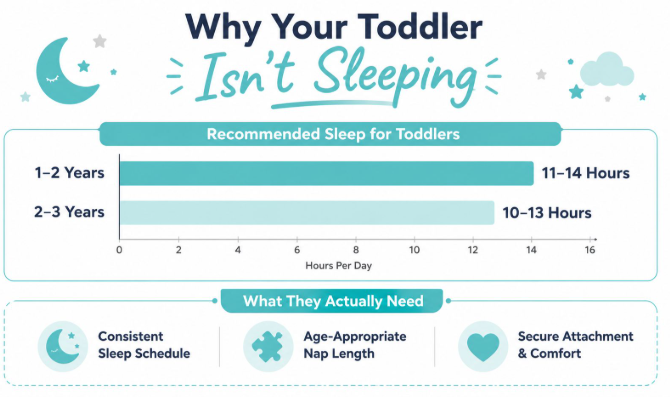
toddler sleep tips need a significant amount of sleep over a full day. The exact amount varies from child to child.
Many toddlers sleep during the night and also have one daytime nap. As children grow, their nap needs may change.
ALSO READ;https://softswebz.com/mom-daily-routine/
Instead of focusing only on a number, parents can also look at their child’s behavior. A toddler who wakes toddler sleep tips easily, plays normally, and seems comfortable during the day may be getting enough sleep.
If your child regularly seems extremely tired, has major changes in sleep, or you are worried about their toddler sleep tips sleep, speak with a pediatrician or another qualified health professional.
1. Keep the Same Sleep Schedule
One of the most useful toddler sleep tips is to keep bedtime and wake-up time fairly consistent.
Toddlers often respond well to predictable schedules. When bedtime happens around the same time each night, the child’s body can begin to recognize when it is time to rest.
You do not need to follow the clock perfectly. A difference of a few minutes is not a problem.
Try to keep a regular pattern such as:
- Wake up
- Breakfast
- Playtime
- Lunch
- Nap
- Afternoon activities
- Dinner
- Quiet time
- Bedtime
A predictable day can make toddler sleep tips bedtime feel less surprising.
2. Create a Simple Bedtime Routine Toddler Sleep Tips
Toddlers usually benefit from toddler sleep tips knowing what will happen before bed.
A bedtime routine does not need to be long. It might take 20 to 30 minutes and include the same few activities each night.
For example:
- Put away toys.
- Take a bath or wash up.
- Put on pajamas.
- Brush teeth.
- Read a short story.
- Give a goodnight hug.
- Turn off the lights.
Repeating these steps can help your child understand that bedtime is coming.
Try to keep the routine calm. Avoid toddler sleep tips turning bedtime into a time for exciting games or arguments.
3. Make the Bedroom Comfortable
A comfortable sleep environment toddler sleep tips can make it easier for a toddler to settle down.
Keep the room quiet and comfortable. Some children sleep better in a dark room, while others prefer a small night-light.
Check the room temperature and make sure your toddler is dressed comfortably for sleep.
The sleeping area should also be safe and suitable for the child’s age.
Keep unnecessary toys and objects away from the sleep space. A favorite comfort item may help some toddlers toddler sleep tips relax, but it should be appropriate and safe for your child’s age.
4. Limit Exciting Activities Before Bed Toddler Sleep Tips
Toddlers can become very excited toddler sleep tips when they play active games close to bedtime.
Running, jumping, loud music, and exciting television programs may make it harder for some children to calm down.
Try switching to quieter activities before bed.
You could read a book, look at pictures, talk softly, or play a simple quiet game.
The purpose is to slowly move your toddler sleep tips toddler from an active part of the day into a peaceful sleep period.
5. Be Careful With Screens Toddler Sleep Tips
Screens can easily become part toddler sleep tips of a toddler’s daily routine. Phones, tablets, televisions, and other devices may be entertaining, but screen use close to bedtime can make settling down harder for some children.
Instead of using a screen as the final activity before sleep, try a quiet bedtime activity.
Reading a story together is a simple choice. It gives your child attention while also helping create a clear signal that the day is ending.
If your family uses screens toddler sleep tips during the day, consider making bedtime a screen-free period.
6. Help Your Toddler Understand the Routine
Toddlers are still learning toddler sleep tips about time. They may not understand phrases like “Go to bed in ten minutes.”
Simple signals can work better.
For example, you can say:
ALSO READ;https://softswebz.com/mom-daily-routine/
“After we put the toys away, we will have a bath.”
Then:
“After your pajamas, we will read a story.”
This gives your toddler a clear sequence.
You can also create a simple picture chart showing bedtime steps. Pictures can be especially toddler sleep tips helpful for young children who are still learning to understand longer instructions.
7. Give Your Toddler Small Choices Toddler Sleep Tips
Toddlers often want toddler sleep tips independence. Bedtime can become a battle when they feel that every decision is being made for them.
Giving small choices can help.
For example, ask:
“Do you want the blue pajamas or the green pajamas?”
“Which story should we read?”
“Do you want to brush your teeth before or after your pajamas?”
The choices should be limited. You are still keeping the bedtime routine, but your child gets a little control.
Avoid asking, “Do you want to toddler sleep tips go to bed?” because the answer will often be no.
8. Keep the Bedroom for Sleep and Calm Activities
Try to make the bedroom toddler sleep tips associated with rest rather than exciting activities.
If possible, avoid making bedtime a place for long arguments, noisy games, or stimulating activities.
A calm bedroom can become a strong sleep signal for your toddler.
During the day, your child can play in other areas. At night, the bedroom becomes a familiar place for toddler sleep tips quiet time and sleep.
9. Watch the Timing of Naps Toddler Sleep Tips
Daytime naps can be helpful, but toddler sleep tips nap timing may affect nighttime sleep.
Some toddlers still need a daytime nap. Others begin to need less sleep during the day as they grow.
If a toddler sleeps for a long time late in the afternoon, they may not feel ready for bed at their usual time.
Do not remove naps simply because your child has trouble sleeping at night. Instead, consider whether the timing or length of the nap may be affecting bedtime.
If you are unsure about your child’s toddler sleep tips nap needs, discuss the situation with a pediatrician.
10. Make Bedtime Predictable Toddler Sleep Tips
Toddlers may test limits at toddler sleep tips bedtime. They may ask for another drink, another story, another hug, or another toy.
Some of these requests are genuine needs. Others may be attempts to delay sleep.
A predictable routine can help reduce these delays.
You might have one story, one drink of water, one hug, and then lights out.
Be kind but consistent. If the toddler sleep tips bedtime rules change every night, your child may become confused about what is expected.
11. Respond Calmly to Night Waking
Many toddlers wake toddler sleep tips during the night.
When this happens, try to stay calm. Keep the room dark and your voice quiet.
Avoid turning a night waking into playtime.
If your toddler gets up, gently guide them back to bed. Keep your response boring and predictable.
The exact response will depend on your child’s age, personality, and reason for waking.
If night waking is frequent or your toddler sleep tips child appears uncomfortable, talk to a healthcare professional to look for possible causes.
12. Help Your Toddler Learn to Settle Toddler Sleep Tips
Some toddlers need a parent toddler sleep tips nearby to fall asleep. This can be normal, but some families may want their child to become more independent at bedtime.
You can gradually encourage your toddler to settle without constant help.
For example, you might sit beside the bed while your child becomes calm. Over time, you can move your chair farther away.
This should be done patiently. You do not have to make major changes overnight.
A gentle, consistent approach toddler sleep tips may be easier for some families.
13. Give Plenty of Daytime Activity Toddler Sleep Tips
Toddlers need movement toddler sleep tips and play during the day.
Outdoor play, walking, dancing, running, and age-appropriate physical activities can help children use their energy.
Fresh air and daylight can also help establish a healthy difference between daytime and nighttime.
However, avoid making the final part of the evening too active. Keep the most exciting physical play toddler sleep tips earlier in the day when possible.
14. Get Morning Light Toddler Sleep Tips
Morning light can help your toddler sleep tips child’s body recognize that the day has started.
Open the curtains in the morning and spend some time outside when practical.
A morning walk or outdoor play can become part of your daily routine.
A clear difference between toddler sleep tips daytime and nighttime can support a regular sleep schedule.
15. Do Not Make Bedtime a Punishment Toddler Sleep Tips
Sleep should not be toddler sleep tips used as a punishment.
Saying “Go to bed because you were bad” can make a child connect bedtime with negative feelings.
Instead, present sleep as a normal and positive part of the day.
Use simple language such as:
“Your body needs rest now.”
“We had a busy day. It is time to recharge.”
“Tomorrow we can play again after you sleep.”
A positive attitude toddler sleep tips can help bedtime feel safer and calmer.
16. Expect Some Resistance Toddler Sleep Tips
Even with a good routine, toddlers toddler sleep tips may sometimes refuse to sleep.
They may be excited about a new toy, upset about leaving a parent, or simply testing boundaries.
Try not to panic when this happens.
Repeat the routine calmly. Avoid long arguments.
If your child learns that refusing bedtime leads to a long conversation or extra playtime, they may repeat the behavior.
A calm and consistent response toddler sleep tips can make bedtime easier over time.
17. Avoid Comparing Your Child With Other Toddlers
Every child has a different toddler sleep tips personality and sleep pattern.
One toddler may sleep quickly at 7:30 PM, while another may need more time to settle.
Comparing your child with another family can create unnecessary stress.
Focus on your own child’s needs and habits.
If your child’s sleep is causing serious problems for your family or you are concerned about your child’s health, seek professional advice rather than relying only on comparisons toddler sleep tips with other children.
18. Take Care of Your Own Sleep Too
Parents need toddler sleep tips rest as well.
When a toddler has difficult sleep habits, parents can become exhausted. It is important to find support when possible.
If another trusted adult can help with bedtime or morning care, share the responsibility.
You do not need to handle every sleep problem alone.
A rested parent is often better toddler sleep tips able to respond calmly and consistently.
Common Toddler Sleep Tips Problems
Different toddlers toddler sleep tips have different sleep challenges.
Some common problems include:
- Refusing to go to bed
- Getting out of bed repeatedly
- Waking during the night
- Waking very early
- Taking a long time to fall asleep
- Fighting daytime naps
- Wanting a parent nearby
- Asking for repeated drinks, stories, or toys
The best solution depends on the reason behind the problem.
Look for patterns. Does the problem happen after a late nap? Does your child become very active before bedtime? Does the problem happen only when the daily routine changes?
ALSO READ;https://softswebz.com/mom-daily-routine/
Finding a pattern can help toddler sleep tips you choose the right approach.
When Should Parents Ask for Help?
Occasional sleep problems are toddler sleep tips common. However, parents should seek professional advice if they are seriously concerned about their child’s sleep or health.
Talk with a pediatrician if your toddler has unusual or persistent sleep problems, seems to have trouble breathing during sleep, snores heavily or regularly, seems extremely tired during the day, or has other symptoms that concern you.
A healthcare professional can help identify whether there is an underlying issue and provide toddler sleep tips advice based on your child’s individual situation.
A Simple Toddler Bedtime Example
Here is an example of a calm evening routine:
6:00 PM: Family dinner.
6:30 PM: Quiet play.
7:00 PM: Put toys away.
7:05 PM: Bath or wash-up time.
7:20 PM: Pajamas and teeth brushing.
7:30 PM: Read one or two short stories.
7:40 PM: Goodnight hug and a calm conversation.
7:45 PM: Lights out.
The exact time does not matter as much as creating a routine that works for your child.
Final Thoughts
Good sleep habits do not appear in one night. They develop through repetition, patience, and consistency.
The most useful toddler sleep tips are often simple. Keep a regular schedule, create a calming bedtime routine, make the bedroom comfortable, reduce exciting activities before sleep, and respond calmly when your child wakes.
Remember that toddlers are still learning. They may resist bedtime even when they are tired. Your patience can toddler sleep tips help them learn that nighttime is a safe and predictable time for rest.
Do not expect every night to be perfect. Family life changes, and some nights will be harder than others.
Start with one or two changes instead of trying everything at once. Give your child time to adjust, watch what works, and change your routine when needed.
Most importantly, if your toddler’s sleep seems unusual or you have health concerns, speak with a qualified toddler sleep tips healthcare professional.
FAQs
- What are the best toddler sleep tips?
The most useful tips include keeping regular sleep times, creating a simple bedtime routine, reducing exciting activities before bed, making the bedroom comfortable, and responding calmly to night waking.
- Why does my toddler fight bedtime?
Toddlers may resist bedtime because they want more playtime, want independence, are not ready to separate from their parents, or have an inconsistent routine. A calm and predictable bedtime can help.
- Should a toddler have a bedtime routine?
Yes. A regular bedtime routine can help a toddler understand that sleep is coming. Simple activities such as toddler sleep tips pajamas, brushing teeth, reading, and saying goodnight can become useful sleep signals.
- How can I stop my toddler from getting out of bed?
Keep your response calm and consistent. Return your child to bed without turning the situation into playtime or a long discussion. Repeat the same response each time.
- Should toddlers take naps?
Many toddlers still need a daytime nap, although nap needs change as children grow. If a nap seems to affect toddler sleep tips nighttime sleep, consider its timing and length and discuss concerns with a healthcare professional.
- Is screen time before bed bad for toddlers?
Screen use close to bedtime may make it harder for some children to settle. A quiet activity such as reading a book can be a better choice before sleep.
- What should a toddler’s bedroom be like?
A toddler’s sleep space should be comfortable, quiet, and suitable for the child’s age. Keep the sleeping area free toddler sleep tips from unnecessary hazards and make the environment calm.
- How can I make my toddler sleepy at night?
Keep a regular daily schedule, provide daytime activity, use a calming bedtime routine, and avoid exciting activities close to bedtime. Do not rely on forcing a child to sleep.
- What should I do when my toddler wakes at night?
Stay calm and keep the environment quiet and dark. If your child needs attention, respond in a simple and toddler sleep tips predictable way. Avoid turning nighttime into playtime.
- How long does it take to improve toddler sleep?
Every child is different. Some children adjust to a new routine quickly, while others need more time. Consistency is important, and parents should avoid expecting instant results.
- Should I let my toddler choose their bedtime?
Parents should usually set the bedtime while allowing small choices within the routine. For example, a child toddler sleep tips can choose which pajamas to wear or which bedtime story to read.
- What if my toddler suddenly stops sleeping well?
Changes in sleep can happen for many reasons, including changes in routine, development, illness, or other concerns. Look for patterns and speak with a pediatrician if the problem is persistent or worrying.
- Is it normal for toddlers to wake early?
Some toddlers naturally wake early. A consistent schedule, a suitable sleep environment, and attention to nap timing may help. If early waking is causing major problems, consider discussing it with a healthcare professional.
- What is the most important toddler sleep tip?
Consistency is one of the most helpful habits. A regular daily schedule and a predictable bedtime routine can help toddlers understand when it is time to sleep.
- Can parents make bedtime easier without being strict?
Yes. A bedtime routine can be gentle and still have clear boundaries. Offer small choices, use a calm voice, and repeat the same steps each night. A child can feel supported while still learning healthy sleep habits.
1 thought on “Toddler Sleep Tips: A Simple Guide to Better Sleep”